Flash in the Pan or Built to Last: What Separates Action Games That Fade from Those That Build Dynasties
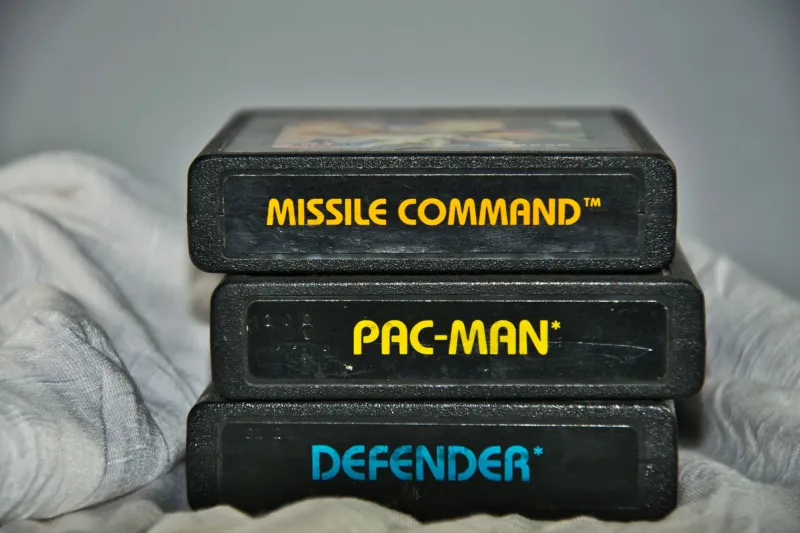
Every year, a handful of action games arrive with massive hype — trailers that break YouTube records, midnight launch lines (or the digital equivalent), and a first weekend that feels like a cultural moment. Then, for a lot of them, the silence sets in. Player counts drop. Content droughts hit. The subreddit becomes a ghost town of "is this game dead?" posts.
And then there are the other games. The ones that don't just survive — they compound. They build bigger communities in year two than year one. They spawn sequels, spin-offs, esports leagues, and merchandise aisles at GameStop. They become part of how a generation of US gamers identifies themselves.
So what actually separates the two? Let's break it down.
The Launch Spike Problem
A massive launch is genuinely hard to sustain, and the games that try to ride pure hype momentum almost always hit a wall. The problem is structural: hype brings in players with wildly different expectations, many of whom were sold a fantasy that no game at launch can fully deliver.
When Babylon's Fall launched in 2022, it had a major publisher behind it, a recognizable developer in PlatinumGames, and months of marketing. It also shut down its servers less than a year after release. The game had spectacle but no retention engine — no reason for players to stay once they'd seen the content. It's a case study in what happens when a game is designed to impress at first glance rather than reward over time.
Contrast that with Monster Hunter: World, which launched in 2018 and continued building its player base for years. The game wasn't a media event in the same way — it grew through word of mouth, consistent content drops, and a loop that rewarded hundreds of hours of play. It became a dynasty because it was built like one.
The Retention Loop: What Keeps Players Coming Back
The single most important factor in long-term success isn't graphics, story, or even gameplay quality in isolation. It's the retention loop — the cycle of goals, rewards, and progression that keeps players logging in tomorrow.
The best action game franchises engineer this deliberately. Destiny 2, for all its controversy, has survived years of criticism because the gunplay loop is deeply satisfying and the seasonal content model gives players a reason to return on a schedule. Warframe has been running since 2013 and still pulls strong concurrent player numbers, largely because its free-to-play model is genuinely generous and its content pipeline never fully stops.
Games that fade tend to have shallow loops — a campaign that ends, a multiplayer mode with no progression, or a live-service structure that asks for money without delivering enough reason to keep playing.
Monetization: The Make-or-Break Variable
How a game charges money is often more important than how much it charges. US gamers in particular have developed a sharp radar for predatory monetization, and the backlash when a game crosses that line can be terminal.
Anthem is the clearest modern example. Despite launching with a massive marketing budget and genuine excitement around its Iron Man-style flight mechanics, the game's shallow endgame and cosmetic economy left players feeling burned. BioWare announced a major overhaul, then quietly shelved it. The game never recovered.
On the flip side, Path of Exile has built one of the most loyal action RPG communities in the world by keeping its core gameplay free and charging only for cosmetics and convenience. Players who feel respected by a game's business model become advocates. They bring in their friends. They stick around through rough patches.
The franchise builders tend to follow a few consistent rules: don't lock gameplay-affecting content behind paywalls, deliver cosmetic value that players feel proud to spend on, and be transparent when something isn't working.
Community Management: The Invisible Infrastructure
This one doesn't show up in trailers, but it might be the most underrated factor in franchise longevity. The games that build dynasties treat their communities like partners, not just customers.
Helldivers 2 is a recent example of a game that got this right — and then briefly got it wrong, and then course-corrected publicly. When the PSN account requirement controversy hit in mid-2024, the developer's response was direct and player-focused. The community's trust was maintained because the studio communicated like humans, not PR departments.
Compare that to games that go radio-silent during content droughts, or respond to player frustration with boilerplate corporate statements. The community reads the energy. When players feel heard, they stay loyal through imperfect patches and rough seasons. When they feel ignored, they leave — and they tell their friends why.
Content Roadmaps: Promise What You Can Deliver
One of the fastest ways to kill long-term momentum is to overpromise content and underdeliver. The games that build lasting franchises tend to be conservative with roadmap promises and aggressive with actual delivery.
No Man's Sky is the ultimate redemption arc in this space. The game launched in 2016 to widespread disappointment after years of ambitious promises. Hello Games went quiet, put their heads down, and released update after update — for free — over the following years. By 2022, the game was widely regarded as one of gaming's greatest turnaround stories. The lesson: consistent delivery over time beats flashy promises at launch.
For action games specifically, content roadmaps need to account for the genre's pacing demands. Players want new challenges, new mechanics, and new reasons to experiment with builds and strategies. Games that deliver that on a predictable schedule — even if the updates aren't massive — keep their communities energized.
The Franchise Positioning Factor
Finally, the games that become multi-title dynasties tend to have something the one-hit wonders don't: a clear identity that can grow without losing itself.
Devil May Cry, God of War, Halo — these franchises have evolved dramatically across entries while keeping their core power fantasy intact. Players know what they're getting, and they trust that the next entry will deliver that feeling in a new way.
Games that chase trends or reinvent themselves too aggressively risk alienating the audience that made them successful in the first place. The sweet spot is evolution within identity — new mechanics, bigger worlds, deeper stories, but the same essential feeling of power and mastery that made the original special.
The Verdict
There's no magic formula that guarantees franchise status, but the pattern is clear: the action games that last are the ones built with the second year in mind from day one. They design retention, earn trust, deliver consistently, and treat their communities like the asset they are.
The flash-in-the-pan games usually fail not because they're bad, but because they were designed to impress once rather than reward forever. In a market as competitive as US gaming, first impressions open the door — but only the games with something real behind them get to stay.