Never Count Yourself Out: How Action Games Are Engineering the Art of the Comeback

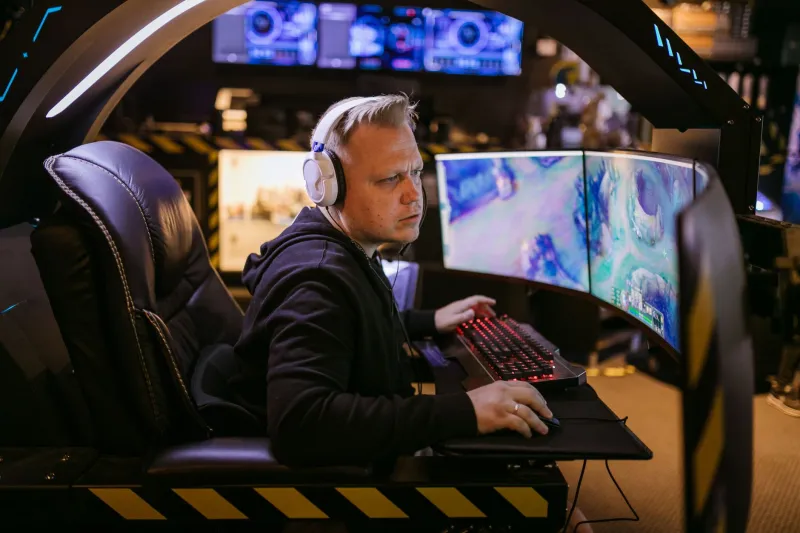
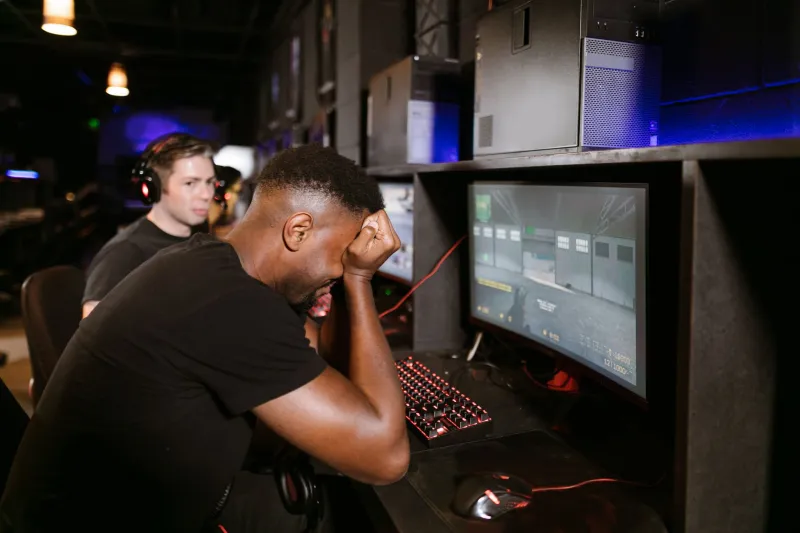
There's a moment every competitive gamer knows all too well. You're down bad — health depleted, resources dry, your opponent looking absolutely unstoppable. Old-school logic says pack it up. But in today's action game landscape? That moment might actually be when the match really starts.
Game designers have spent the better part of the last decade quietly engineering systems that pull struggling players back from the edge of oblivion. Catch-up mechanics, rubber-band AI, comeback currencies, momentum-shifting ultimates — call them what you want, but they've fundamentally changed what it means to be losing. And depending on who you ask, that's either the best thing to happen to competitive gaming or a slow-moving disaster for skill-based play.
Let's dig in.
What Are Comeback Mechanics, Actually?
At their core, comeback mechanics are design systems built to compress the skill and resource gap between a winning player and a losing one. They show up in a ton of different forms depending on the genre.
In fighting games, you've got rage mechanics — think Tekken 8's Heat system or the classic Comeback Factor in Mortal Kombat — that give low-health players access to enhanced abilities or burst damage. In MOBAs like League of Legends, the gold bounty system means a fed opponent becomes a walking piñata, rewarding the team that finally takes them down. Battle royale titles quietly shrink safe zones faster when lobbies are lopsided, forcing confrontations that reset momentum. Even hero shooters like Overwatch 2 bake in passive ultimate charge rates that naturally accelerate when you're on the losing end of a team fight.
The goal is the same across the board: prevent any single player or team from building such an insurmountable lead that everyone else just logs off mentally.
The Psychology Behind Staying in the Fight
Here's the thing — game designers aren't just doing this out of kindness. There's real behavioral science propping up these decisions.
When players feel like a match is mathematically over, they disengage. They stop trying, start tilting, or straight up quit. That's bad for everyone at the table. The winning player loses a satisfying finish. Spectators tune out. And the platform loses engagement metrics that keep the lights on.
Comeback mechanics fight a psychological phenomenon called learned helplessness — the mental state where repeated failure convinces your brain that effort is pointless. By keeping the door cracked open, even just a little, these systems preserve something critical: the belief that your next move matters.
And that belief? It's basically the entire engine behind why competitive gaming is so addictive in the first place. UltraPower Games exists because players want to feel like they can turn the tide. Comeback mechanics are developers betting that the possibility of a power shift is just as electrifying as the shift itself.
The Spectator Effect: Chaos Is Content
From a pure entertainment standpoint, comebacks are box office. Think about the most-clipped esports moments from the past few years. They're almost never the dominant team running away with an easy win. They're the miraculous reversal. The clutch play. The moment where everything looked dead and then — somehow — it wasn't.
Games designed with comeback potential in mind naturally generate more of those moments. That's not an accident. Developers building titles with esports aspirations know that a blowout final is bad TV. A nail-biter that goes to the wire? That's a highlight reel waiting to happen.
Street Fighter 6's Drive Rush system, for example, creates these explosive comeback windows that have become some of the most-shared clips in the FG community. In Apex Legends, a well-timed respawn banner retrieval can flip a three-squad final circle into something absolutely unhinged. These aren't bugs — they're features, carefully tuned to create those oh my god moments that keep communities buzzing for days.
The Skill Ceiling Debate: Does It Cheapen the Win?
Okay, but let's be real — not everybody's happy about this.
The loudest criticism of comeback mechanics comes from high-level players who feel like these systems punish excellence. If you outplay your opponent for 90% of a match and then lose because the game handed them a lifeline, was that a fair result? A lot of grinders would say no.
Rubber-banding in racing games has been controversial for decades for exactly this reason. Getting perfectly clean laps only to have the AI magically close the gap feels less like competition and more like theater. The same frustration bleeds into action games when a comeback mechanic feels less like a reward for smart play under pressure and more like a random reset button.
There's also an argument that these systems can actually discourage improvement. If losing a big lead is built into the game's DNA, what's the incentive to build that lead in the first place? Some high-MMR players in competitive titles actively avoid snowballing because they know the comeback tax is coming.
The best implementations thread this needle carefully. The mechanic should give a losing player tools, not guaranteed wins. There's a massive difference between "here's a fighting chance" and "here's an auto-win button." The former creates drama. The latter creates resentment.
What Good Comeback Design Actually Looks Like
The games that get this right share a few common traits. First, the comeback mechanic requires the losing player to do something to activate it — it's not passive. Second, the winning player has counterplay options; they're not just sitting there waiting to get reversed. And third, the swing is significant enough to matter but not so overwhelming that it renders prior skill irrelevant.
Guilty Gear Strive nails this with its Burst system. You get one per round, it's a powerful get-out-of-jail card, but a sharp opponent can bait and punish it. Both players have to think. That's the sweet spot.
Comparison point: rubber-banding AI in single-player racing games, where the comeback is completely out of your control, feels hollow. It's the difference between surviving on your own terms and being handed a lifeline by the game's pity engine.
The Takeaway
Comeback mechanics aren't going anywhere. If anything, as esports viewership grows and developers lean harder into live-service models that need players sticking around, these systems are only going to get more sophisticated.
The real question isn't whether they should exist — it's whether they're built with enough respect for skilled play to feel earned rather than artificial. When the design is tight, there's nothing in gaming more electric than a full comeback from the brink. When it's lazy, it's just noise that cheapens the whole match.
Either way, the era of blowout victories ruling competitive lobbies is fading fast. In today's action game meta, the fight isn't over until somebody hits that final screen. And honestly? That's exactly how it should be.